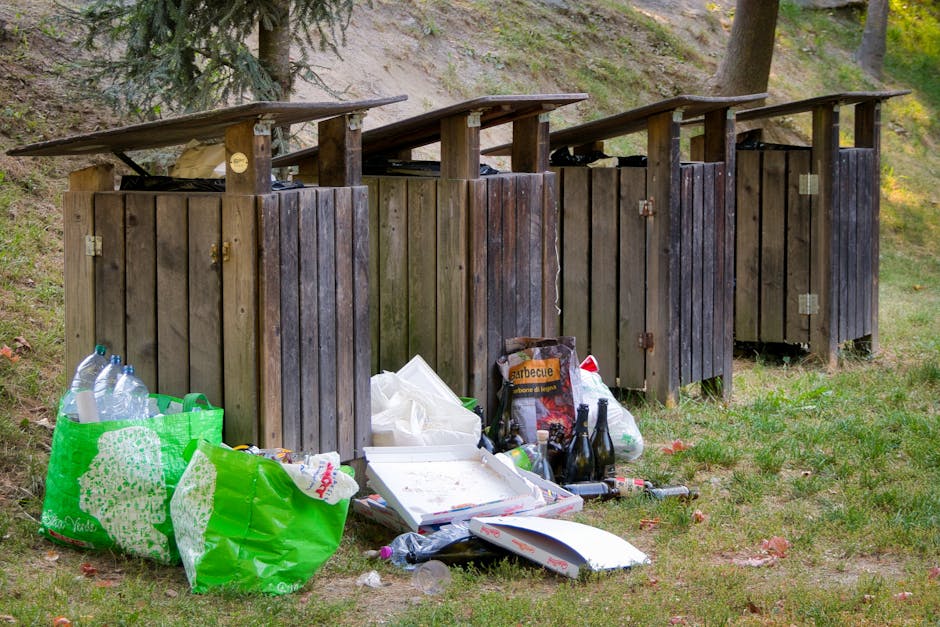
Common problems with builders rubbish in NW6 conversions
Posted on 22/10/2026

Conversion projects in NW6 can look tidy on paper and then, by day three, the place is full of broken plasterboard, packaging, old timber, dust sheets, offcuts, and a surprise pile of waste that somehow keeps growing overnight. That is the reality of builders rubbish in NW6 conversions. It is not just "mess"; it affects access, safety, timing, neighbours, costs, and sometimes even whether the job can keep moving without interruptions.
If you are planning a loft, basement, flat or house conversion around West Hampstead, Fortune Green, Hampstead, or nearby streets with tight access, the rubbish side of the project deserves proper attention. In this guide, we will look at the common problems people run into, why they happen, how to handle them, and what to ask before the waste starts becoming a headache. Truth be told, rubbish removal is rarely the glamorous part of a conversion. But it can be one of the most important.
Why Common problems with builders rubbish in NW6 conversions Matters
Builders waste is one of those things that starts small and then grows legs. A single skip bag can become multiple loads once walls come down, old flooring is lifted, and kitchens, bathrooms, or chimney breasts are stripped out. In NW6 conversions, the problem is often amplified by the character of the housing stock: narrow front paths, shared entrances, basement staircases, permit-only streets, and neighbours who are not especially thrilled by dust and noise at 7 a.m.
The most common issue is not simply volume. It is the way waste affects the whole rhythm of the project. If rubble piles up, trades have less space to work. If access is blocked, deliveries get delayed. If the right materials are mixed together, recycling becomes harder. And if the waste is handled carelessly, you can end up with avoidable costs, complaints, or compliance concerns.
For homeowners, landlords, and small developers, this matters because conversions are already juggling enough moving parts. One missed rubbish collection can throw off a tidy schedule. One bad quote can leave you paying twice. One awkward access point can turn a straightforward job into a bit of a faff, to be honest.
Expert summary: in NW6 conversions, builders rubbish is rarely a back-end issue. It is a planning issue. The earlier you think about access, sorting, frequency, and disposal, the fewer surprises you will have later on.
If you want to understand the wider waste picture behind local projects, it can also help to read about recycling and sustainability practices and the basics of waste carrier licence and compliance. Those pages are useful when you are checking that waste is being handled properly rather than just moved out of sight.
How Common problems with builders rubbish in NW6 conversions Works
In practical terms, builders rubbish management during a conversion usually follows one of three patterns: periodic collection, on-demand removal, or a site-based container approach. Which one works best depends on the scale of the work, how much room you have, and how quickly the waste builds up.
The workflow is usually simple enough:
- Waste is created during demolition, strip-out, or fitting work.
- It is temporarily stored in a safe, accessible place on site.
- A collection method is used to remove it, sort it, and transport it for reuse, recycling, or disposal.
- The site is cleared often enough to keep the conversion moving.
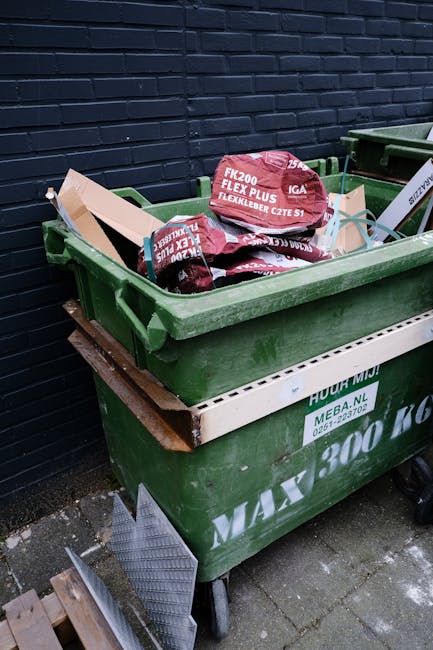
Sounds easy. In reality, the snag is often the same old trio: limited space, unpredictable volumes, and mixed waste streams. A conversion might produce plasterboard one day, then timber, tiles, packaging, bathroom fixtures, and old appliances the next. If all of that ends up in one heap, it is harder to manage and more expensive to process.
For local projects, timing matters too. NW6 streets can be busy, parking can be tight, and access can be awkward around stairwells and basement levels. That means rubbish removal often needs to be coordinated with the build schedule, not tacked on at the end. If you are dealing with restricted access, this article on access problems on West End Lane and collection solutions gives a good sense of the kind of practical obstacles that crop up.
There is also the question of who is actually responsible. Builders may clear their own working waste, but homeowners sometimes assume that means every item will vanish automatically. It does not always work that neatly. That is why it helps to define, in writing if possible, what counts as daily site debris, what counts as bulky waste, and who books the removal. Small detail, big difference.
Key Benefits and Practical Advantages
When builders rubbish is managed properly, the benefits are very real. They do not sound exciting, but you feel them every day on site.
- Safer working conditions: fewer trip hazards, less loose rubble, and clearer walkways for trades.
- Better productivity: builders waste does not sit around blocking access or slowing down movement.
- Cleaner neighbour relations: less overspill, fewer complaints, and less mess drifting into shared areas.
- More accurate costs: organised waste removal is easier to quote for than emergency clearances.
- Improved recycling potential: separated waste is often easier to divert from landfill or mixed disposal routes.
- Less project stress: because nobody wants to stand in the hallway thinking, "Where on earth is all this going?"
There is another benefit that people sometimes overlook: reputational value. If you are converting a property for rental, sale, or long-term occupation, the way the project is managed says something about the quality of the job. A tidy site suggests care. A chaotic one suggests shortcuts. And buyers do notice. If you are planning around a future sale, this links neatly with the ideas in Hampstead home buyers and sellers and your complete guide to Hampstead property investment, where presentation and timing matter a great deal.
For larger, mixed-use, or contractor-led jobs, it can also help to see the difference between domestic and business-scale disposal approaches via commercial waste removal in West Hampstead and domestic waste collection in West Hampstead. The right method depends on the job, not just the postcode.
Who This Is For and When It Makes Sense
This topic is relevant if you are involved in any kind of conversion work in NW6. That could mean a loft conversion in a terraced house, a basement project in a period property, a flat remodel in a mansion block, or a partial internal reconfiguration where old fixtures are being stripped out and replaced.
It is especially useful for:
- homeowners managing a renovation while living at the property
- landlords refurbishing between tenancies
- property investors preparing a conversion for market
- builders and trades who need reliable site clearance
- developers working in streets with awkward parking or limited loading space
- people who have discovered, usually late on a Friday, that the "small amount of waste" is now a full van load
It also makes sense when you want a more predictable way to clear waste than waiting for a skip to sit outside for a week. In some NW6 locations, that is simply not practical. In other places, shared access rules or parking pressure make the traditional route clumsy. If that sounds familiar, you may find the local angles in the rubbish clearance guide for West End Lane NW6 flats and rubbish removal advice for Iverson Road, West Hampstead especially relevant.
To be fair, even a relatively small conversion can generate awkward waste. Old plasterboard stacks up fast. Flooring offcuts pile into corners. Packaging from fittings and appliances arrives in waves. If you are expecting "a couple of bags," you may be in for a surprise. Nothing dramatic, just reality.
Step-by-Step Guidance
If you want builders rubbish to stay under control during a conversion, a step-by-step approach beats ad hoc clearing every time. Here is a practical way to handle it.
- Estimate the waste early. Before work starts, look at the likely materials: timber, tiles, plasterboard, old units, packaging, soil, metal, and mixed rubble.
- Check access and storage space. Decide where waste can be placed without blocking doors, stairs, emergency routes, or shared entrances.
- Separate waste streams where possible. Keep recyclable materials apart from general mixed builders waste if the site allows it.
- Agree collection frequency. Daily, twice weekly, or phase-based clearance all work differently. Choose what fits the programme.
- Define responsibility clearly. Who moves the waste? Who books the removal? Who signs it off? Get that sorted before dust starts flying.
- Use suitable loading methods. Not every street, stairwell, or basement suits the same approach. Some properties need smaller, more frequent loads.
- Keep a simple record. A basic note of what went out and when can help if questions come up later.
One useful habit is to treat waste like any other programme item. Not a leftover. Not an afterthought. A workstream. That shift alone prevents a lot of scramble later.
If you are unsure how quotes are structured, you may want to read about pricing and quotes and hidden fees to avoid in West Hampstead rubbish quotes. Understanding how charges are built is a big part of avoiding frustration.
Expert Tips for Better Results
After enough local projects, a few patterns become obvious. The following tips are not flashy, but they save time and money.
- Plan for dust as well as rubbish. Builders waste is not just solid material. Fine dust moves everywhere, especially in older NW6 homes with awkward nooks and soft surfaces.
- Keep one area as the waste point. Scattering debris across the property creates confusion and slows the clean-up.
- Use smaller, more frequent removals on tight sites. This often works better than waiting for one massive collection at the end.
- Protect shared routes. In flats and converted houses, corridors, stairs, and entrance halls matter. Neighbours remember scuffed walls.
- Think about timing. Early-morning movements may be efficient, but they are not always neighbour-friendly. Sometimes a slightly later slot is smarter.
- Choose a provider that can explain what happens next. If someone cannot explain sorting, handling, or disposal in plain English, that is a yellow flag.
A small but useful point: if you have appliances, old sinks, radiators, or bulky household items coming out of the conversion, it can help to line up specific disposal support. See white goods and appliance disposal and furniture removal in West Hampstead for examples of how different item types are usually handled.
And yes, sometimes the best tip is simply to stop pretending the pile will "sort itself out later." It won't. It never does.
Common Mistakes to Avoid
Most problems with builders rubbish in NW6 conversions come from a handful of predictable mistakes. The good news? They are easy enough to avoid if you spot them early.
- Leaving waste planning until the last minute. This is the big one. It creates rush fees, blocked access, and avoidable stress.
- Mixing everything together. Mixed builders waste is usually harder to process and can be costlier than separated materials.
- Underestimating volume. Conversions produce more waste than most people expect. Always allow a buffer.
- Blocking shared access. In flats and terraces, this can cause complaints fast. Very fast.
- Forgetting about heavy or awkward items. Bricks, tiles, old kitchen carcasses, and bathroom fittings are not simple black-bag jobs.
- Not checking compliance. If waste is collected by the wrong operator, the property owner can still end up with questions later.
One mistake that sounds minor but causes real issues is not confirming where the waste will go after collection. If you care about responsible handling, choose a provider that can speak clearly about recycling, transfer, and disposal routes. The page on recycling and sustainability is a useful benchmark for the kind of thinking you should expect.
Another common slip is assuming every conversion waste problem is a "builder problem." Sometimes it is, sometimes it is shared, and sometimes the project owner needs to make the call. A little clarity up front saves plenty of awkwardness later.
Tools, Resources and Recommendations
You do not need fancy tools to manage conversion waste well, but a few basic things help a lot. Nothing groundbreaking. Just sensible site habits.
- Heavy-duty rubble sacks for smaller mixed debris and light waste
- Clearly labelled bins or zones for timber, metal, cardboard, and general waste
- Protective floor covering for hallways and shared access routes
- Basic site notes or a waste log to track what has been removed
- Measuring tape or rough volume estimates to help assess loads before booking
- Loading plan for stair access, frontage, or narrow entrances
As a rule, it is worth choosing a rubbish clearance approach that fits the property rather than forcing the property to fit the method. That sounds obvious, but you would be surprised how often people do the reverse.
If you are comparing broader service options, the services overview is a sensible place to understand what types of clearance are available. If you are still shaping the project, local reading such as mistakes to avoid when hiring rubbish clearance in Fortune Green NW6 and last-minute rubbish removal and same-day help can help you avoid the usual last-minute scramble.
Law, Compliance, Standards, or Best Practice
For builders rubbish, compliance is not something to skim over. In the UK, waste should be handled by someone who is properly authorised and able to deal with it responsibly. That does not mean every homeowner needs to become an expert overnight, but it does mean you should ask sensible questions.
As a practical minimum, check that the collector is operating with the right waste carrier arrangements and that the process is insured and safe for the property. If waste is transferred badly, fly-tipped, or dumped where it should not be, the original owner can still face awkward questions. That is why pages such as insurance and safety and waste carrier licence and compliance are worth a careful read.
Best practice usually includes:
- keeping waste from blocking exits or shared routes
- separating materials where practical
- avoiding unsafe overfilling of sacks or containers
- protecting common areas in flats and conversions
- making sure heavy or sharp waste is handled safely
- using clear agreements about what is and is not included
If your project involves fixtures, doors, furniture, or appliances being removed as part of the conversion, make sure the disposal route is suitable for that item type. It sounds small. It is not. Different waste streams need different handling, and the wrong assumption can lead to delays or extra cost.
For readers who like to check the finer print, the site pages on terms and conditions, privacy policy, and payment and security also help build trust before you book anything. In a local service, trust really matters.
Options, Methods, or Comparison Table
There is no single "best" way to deal with builders rubbish in NW6 conversions. The right choice depends on access, project size, waste type, and how quickly the mess is building up. Here is a straightforward comparison.
| Method | Best for | Advantages | Potential drawbacks |
|---|---|---|---|
| Small regular collections | Flat conversions, phased works, restricted access | Keeps the site tidy, easier to manage in stages | Needs planning and repeated scheduling |
| Single large clearance | End-of-project strip-outs with enough storage space | Simple and fast when everything is ready | Waste can pile up on site for too long |
| Mixed waste sorting on site | Projects with reusable or recyclable material streams | Better recycling potential, neater disposal | Needs discipline and enough space |
| Reactive or last-minute removal | Unexpected build-up, overflow, urgent tidying | Useful when the job gets away from you | Usually the least efficient if used all the time |
For most NW6 conversions, the middle ground works best: regular enough removal to stop clutter, but not so frequent that it becomes wasteful. If your project sits in a particularly tight or busy spot, local guidance like cheap rubbish collection near West Hampstead Station can be helpful when you are comparing practicality as well as price.
Case Study or Real-World Example
Imagine a two-bedroom flat conversion in NW6 where the owner is reconfiguring the kitchen, replacing the bathroom, and opening up part of the living space. At first, the waste seems manageable. A few bags of old fittings, some broken tiles, a bit of timber. Then the strip-out starts properly.
By midweek, the hallway is cluttered with offcuts, packaging, plasterboard fragments, and an old sink that nobody expected to keep. The building has a narrow entrance, shared stairs, and limited space to stage materials. A standard "we'll deal with it later" plan quickly becomes a problem. The site feels smaller, deliveries get awkward, and neighbours start noticing the mess. Not ideal.
What helped most in that scenario was breaking the waste into smaller movements rather than waiting for one big clear-out. The team set aside a single protected area, booked removals in phases, and kept heavier items separate from mixed debris. The result was not dramatic, just calm. The work flowed better, the entrance stayed usable, and the whole thing felt less like a junk pile with occasional builders and more like an actual project.
If the property had a tighter access arrangement, the same logic would apply even more strongly. Some NW6 conversions are simply easier when waste is removed in short, regular bursts. There is no medal for letting the pile grow, after all.
For a related local angle on difficult access and practical planning, you may also find access problems on West End Lane and rubbish collection solutions useful.
Practical Checklist
Use this checklist before and during your conversion to keep builders rubbish under control.
- Have I estimated the likely waste volume for each phase?
- Is there a clear storage point that does not block access routes?
- Have I identified which items need special handling?
- Do I know who is responsible for booking removals?
- Have I checked whether the collection method suits the property layout?
- Are mixed waste, recyclables, and bulky items being separated where possible?
- Have I asked about licence, insurance, and safe handling?
- Do I understand what is included in the quote?
- Have I planned around neighbours, parking, and delivery times?
- Is there a backup plan if the site suddenly produces more waste than expected?
If you can tick most of those boxes, you are already ahead of many conversion projects. Seriously.
Get a free quote today and see how much you can save.
Conclusion
The common problems with builders rubbish in NW6 conversions are usually not mysterious. They are the predictable result of tight access, underestimated volumes, mixed materials, and late planning. The upside is that all of those problems are manageable. Once you think about waste as part of the conversion plan, rather than a messy afterthought, everything gets easier.
In NW6 especially, where flats, terraces, and converted homes often come with narrow access and shared spaces, a practical waste strategy makes a real difference. It keeps the site safer, the neighbours happier, and the project moving. It also helps you avoid the kind of surprise costs that can quietly eat into a budget.
If you are still at the planning stage, give the rubbish side of the project the same attention you give the joinery, electrics, or finishes. It is not the most glamorous task. But it is one of the ones that makes the whole job feel smoother, steadier, and far less stressful. And that, in the end, is worth a lot.