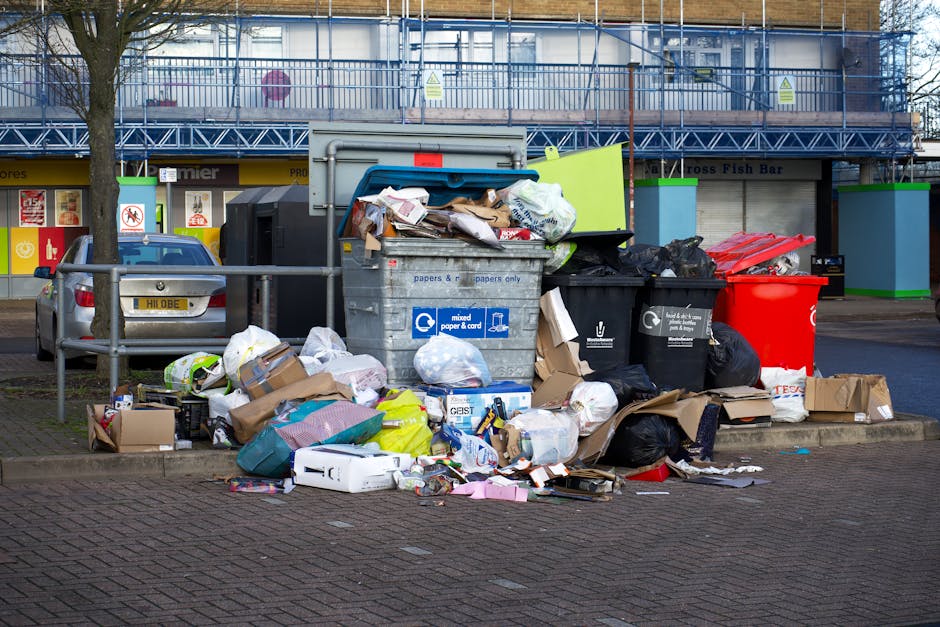
Hidden fees to avoid in West Hampstead rubbish quotes
Posted on 08/07/2026
If you have ever compared rubbish clearance prices and thought, "That looks fine... but does it really?", you are not alone. The tricky part is rarely the headline price. It is the small add-ons, vague wording, and awkward last-minute charges that turn a decent-looking quote into an expensive headache. This guide on Hidden fees to avoid in West Hampstead rubbish quotes explains the charges people most often miss, how quotes are usually structured, and what to ask before you book. West Hampstead has its own mix of flats, shared entrances, tight stairwells, and parking quirks, so the details matter more than people expect.
By the end, you will know how to read a quote properly, compare providers without guesswork, and spot the kind of pricing language that quietly drains a budget. A little care up front can save a lot of bother later. Simple as that.
Why Hidden fees to avoid in West Hampstead rubbish quotes Matters
At first glance, a rubbish quote can look straightforward: a price, a collection window, and a promise to clear the waste. But in practice, many quotes depend on assumptions. How much waste? What type? How accessible is the property? Will the team have to carry items down three flights of stairs? Can the van park close enough to load quickly? If any of those details change, the price can shift too.
That is why hidden fees matter so much in West Hampstead. The area has a lot of apartment living, narrow roads, mixed residential and commercial properties, and the occasional awkward basement or top-floor flat. A provider who prices vaguely may seem cheap at first, but then add charges for things you reasonably assumed were included.
For many people, the issue is not just cost. It is trust. If a company is unclear about basic pricing, you start wondering how they handle disposal, safety, and customer service too. Fair enough.
One more thing: rubbish clearance is often booked at the same time as moving, decorating, end-of-tenancy cleanouts, or a rushed declutter before guests arrive. That means the quote needs to be reliable, not a moving target.
Expert summary: The best rubbish quote is not always the lowest one. It is the clearest one. Transparent pricing, written terms, and a sensible questions list usually protect you better than chasing the cheapest headline figure.
How Hidden fees to avoid in West Hampstead rubbish quotes Works
Most rubbish clearance quotes are based on a combination of volume, labour, item type, access, and disposal requirements. In plain English, the provider is estimating how long the job will take, how much space the waste will use in the vehicle, and whether anything needs special handling. If the initial estimate is made from photos or a quick phone description, the final price can change once the crew sees the load in person.
The hidden-fee problem usually appears when a quote leaves key details unstated. For example, the price may include collection only, while heavy lifting, stair carry, sorting, or specific disposal costs are added later. Sometimes the quote sounds inclusive, but the small print quietly limits what "included" actually means.
Common pricing models include:
- Load-based pricing: You pay according to how much of the van your waste fills.
- Item-based pricing: You pay per sofa, mattress, appliance, or other item.
- Labour-plus-disposal pricing: The company charges for the collection team and disposal separately or as a combined estimate.
In real life, problems happen when the scope is not pinned down early. A "small amount of rubbish" can turn out to include plasterboard, broken wardrobes, black bags, and an old treadmill. Not exactly the same job, is it?
If you want a better sense of how a reputable local business explains pricing and expectations, it can help to review the site's pricing and quote guidance alongside the wider services overview. That gives you context before you speak to anyone directly.
Key Benefits and Practical Advantages
Checking for hidden charges does more than protect your wallet. It improves the whole experience. When a quote is detailed, everyone knows what is happening, when it is happening, and what it should cost. That creates fewer awkward conversations on collection day.
- Better budget control: You can compare true like-for-like pricing rather than guessing what is included.
- Less stress on collection day: No one likes a surprise call saying the price has changed because "the waste was heavier than expected".
- Faster decision-making: Clear pricing makes it easier to choose a provider without dragging it out.
- Fewer disputes: Written clarity reduces the chance of an argument after the job is done.
- Improved trust: Transparent companies tend to explain their process more clearly too.
There is also a practical benefit that gets overlooked: when a quote is honest about access, parking, and item types, the job usually goes more smoothly. The crew arrives prepared. You are not scrabbling to answer last-minute questions while standing in the hallway with a broken wardrobe blocking the front door.
If your waste includes furniture, appliances, or a property clearance, the right quote should connect naturally with the actual service you need. For example, a house clearance is not the same thing as a simple domestic collection. And appliance disposal may need different handling altogether. Relevant service pages such as house clearance in West Hampstead, furniture removal, and white goods and appliance disposal can help you understand the scope before requesting a quote.
Who This Is For and When It Makes Sense
This guidance is useful for anyone arranging rubbish removal in or around West Hampstead, but some people will feel the benefits more sharply than others.
- Flat owners and tenants: Shared entrances, staircases, and parking limitations can all trigger extra charges.
- Landlords and letting agents: End-of-tenancy clearances often need a firm price before handover.
- Homeowners decluttering: If you are clearing a loft, garage, or spare room, volume estimates can be misleading.
- People moving home: Timing matters, and rushed bookings are where vague fees creep in.
- Builders and renovators: Construction waste has different rules and may carry disposal restrictions.
- Small businesses: Commercial collections can involve regular schedules, access coordination, and data-sensitive waste.
It also makes sense if you are arranging rubbish removal at short notice. Same-day work can be perfectly fine, but it can also be where rushed wording slips in. If you are trying to clear a place quickly, the helpful move is not panic. It is asking the right questions before you confirm.
For West Hampstead residents dealing with tight access or apartment blocks, local advice often matters as much as the basic price. You may find the context useful in articles like the West End Lane flats clearance guide, cheap rubbish collection near West Hampstead station, and rubbish removal advice for Iverson Road.
Step-by-Step Guidance
If you want to avoid hidden charges, use a simple process. Nothing fancy. Just a bit of discipline before you say yes.
- List exactly what needs removing. Count bags, note bulky items, and mention anything unusual such as fridges, mattresses, rubble, paint, or mixed materials.
- Photograph the waste from several angles. Clear photos help a provider estimate more accurately. A single picture can be misleading, especially if the pile has layers. We have all been there.
- Describe access honestly. Mention stairs, lifts, narrow hallways, basement access, parking restrictions, or long walks from the van to the property.
- Ask what the quote includes. Does it cover labour, loading, disposal, congestion considerations, and VAT where relevant? Do not assume.
- Check how extras are charged. Ask for the cost of heavy items, extra volume, waiting time, late access, or special waste.
- Request a written quote. A message or email is better than a vague verbal estimate. Written details reduce confusion later.
- Confirm the collection window. Some charges arise when work overruns or access changes. Be clear on timing.
- Read the terms and conditions. Yes, it is the boring bit. But it is often where the real rules live.
- Check payment terms. Ask when payment is due and whether there are fees for card processing, cancellation, or rescheduling.
- Book only when the scope is clear. If the provider cannot answer basic pricing questions in a straight line, that says quite a lot.
And one practical reminder: if you are comparing companies, do not compare only the final number. Compare the wording around the number. That is usually where the truth is hiding in plain sight.
Expert Tips for Better Results
Over time, the strongest quotes tend to come from customers who give good information up front. Not perfect information, just enough to stop the guesswork.
- Be specific about waste type. "Household junk" is too vague. Say whether it is furniture, garden waste, renovation debris, or appliances.
- Separate ordinary rubbish from specialist waste. Mixed loads can change the handling cost.
- Ask whether loading and unloading are fully included. Some quotes look lower because labour is only partially covered.
- Clarify parking expectations. If the van cannot park nearby, some companies may add time-based or access charges.
- Watch for weight-based surprises. Heavy waste can cost more than light waste taking up the same space.
- Use the company's own quote process. If they offer structured pricing or an online quote form, use it. It creates a useful paper trail.
Another tip, and this one is easy to miss: ask what happens if the load is slightly smaller or larger than expected. A fair provider will usually explain how they handle that. The answer does not need to be complicated. It just needs to be clear.
If your priorities include safe handling and responsible disposal, it is worth reading pages like insurance and safety and recycling and sustainability. They help you judge whether the company is thinking beyond the short-term price.
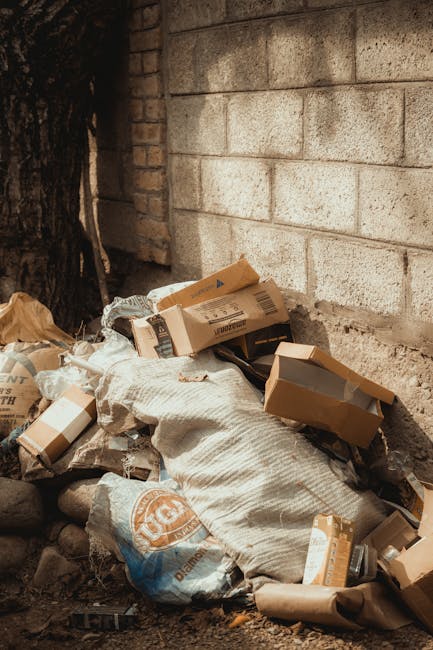
Common Mistakes to Avoid
Most hidden-fee problems start with a few classic mistakes. They are common, understandable, and avoidable.
- Choosing solely on the cheapest quote: The lowest figure can be the most expensive once extras appear.
- Not mentioning stairs or access issues: This is one of the fastest ways to create a "revised" quote.
- Assuming everything is included: Many quotes exclude specific items or disposal categories.
- Forgetting about bulky items: Sofas, wardrobes, beds, and appliances often require different handling.
- Ignoring cancellation and waiting policies: Same-day changes can carry charges.
- Skipping company checks: A company that is vague about compliance, safety, or disposal standards may create broader risks too.
There is also a very human mistake: people sometimes feel awkward asking questions because they do not want to sound difficult. But honestly, this is your money. Asking for clarity is not rude. It is sensible. If a provider gets defensive about normal pricing questions, that is useful information in itself.
For more local context on what can go wrong when people rush the process, see mistakes to avoid when hiring rubbish clearance in Fortune Green and last-minute rubbish removal in West Hampstead.
Tools, Resources and Recommendations
You do not need specialist software to avoid hidden fees. A few basic tools and habits are enough.
- Phone camera: Take clear, well-lit photos of the waste and access points.
- Simple checklist: Write down item counts, room locations, and any awkward access details.
- Email or message thread: Keep the quote in writing so you can revisit it later.
- Measuring tape: Useful for oversized items, especially wardrobes, mattresses, and white goods.
- Notes app: Handy for recording what the provider included or excluded during the call.
Recommended approach? If you are unsure, collect a little more detail than you think is necessary. A spare photo or an extra sentence describing the load can save you from a costly misunderstanding.
It can also help to look at the company's wider information pages before booking. Pages such as about us, payment and security, and waste carrier licence and compliance are useful trust signals because they show how the business thinks about accountability, handling, and customer reassurance.
Law, Compliance, Standards, or Best Practice
For rubbish removal, the main compliance issue is not just price. It is whether the waste is collected, transported, and disposed of responsibly. In the UK, customers should be cautious about using any operator that is unclear about licensing, insurance, or disposal arrangements. You do not need to become a compliance expert, but you do need to know whether the business is operating properly.
Good practice usually looks like this:
- Clear identification of the waste type before the job starts.
- Transparent terms that explain what is and is not included.
- Responsible disposal methods rather than vague promises.
- Appropriate insurance and safety procedures for staff and property access.
- Proper payment handling with sensible security measures.
If a quote is cheap but avoids direct answers about compliance, that should make you pause. Not panic, just pause. It is usually better to pay a fair, clear price than to save a few pounds and inherit uncertainty.
For readers who want to understand the company's broader standards and values, the pages on terms and conditions, privacy policy, accessibility, and modern slavery statement offer helpful background on how the business frames its responsibilities.
Options, Methods, or Comparison Table
Different quote styles suit different jobs. Here is a simple comparison to help you choose the right approach.
| Quote method | Best for | Pros | Watch out for |
|---|---|---|---|
| Photo-based quote | General household or mixed waste | Quick, convenient, usually accurate enough for standard jobs | Can miss hidden access issues or items tucked out of sight |
| On-site quote | Bulky, messy, or unclear clearances | More precise, easier to adjust in real time | May take longer to arrange, and the estimate can still change if scope changes |
| Itemised quote | Furniture, appliances, and specific items | Very clear when the load is defined | Less flexible if your pile changes on the day |
| Van-load quote | General rubbish with predictable volume | Easy to compare across providers when described properly | Confusion can happen if van size or loading assumptions differ |
For most West Hampstead customers, a photo-based quote with written confirmation is a sensible middle ground. If the job is unusual, on-site pricing is often safer. The key is matching the method to the job, rather than forcing every clearance into the same shape.
Case Study or Real-World Example
A typical example comes from a flat clearance in West Hampstead after a tenant moved out. The customer initially described "a few bits of furniture and some bags." That sounded simple enough. But once the photos were sent, it became clear there was a dismantled wardrobe, a sofa bed, a washing machine, broken shelving, and more bags than first estimated. There was also a tight stairwell and no direct parking space outside. Classic.
In that situation, the provider revised the estimate before collection day and explained why: the job was larger, heavier, and slower to carry out than a simple bag collection. Because the customer had shared accurate photos and access details, the new price felt justified rather than arbitrary. That is the difference between a fair adjustment and a hidden fee.
Now imagine the same job with no photos and a vague phone description. The crew arrives, sees the access issues, and the quote gets bumped up on the spot. The customer feels ambushed, the team feels pressured, and the whole thing becomes tense for no good reason.
That is why upfront detail matters more than people think. A good quote should feel a bit boring, actually. Boring is good. Boring is transparent.
Practical Checklist
Use this quick checklist before approving any rubbish quote in West Hampstead.
- Do I know exactly what waste is being removed?
- Have I sent clear photos or a detailed description?
- Have I mentioned stairs, parking, lifts, or narrow access?
- Do I understand whether labour is included?
- Have I asked about extra charges for bulky, heavy, or specialist items?
- Is the quote written down?
- Do I know the payment terms?
- Have I checked for cancellation, waiting, or rescheduling fees?
- Does the company explain disposal and compliance clearly?
- Am I comparing this quote on a like-for-like basis?
If you can tick most of those off, you are in a much stronger position. If not, pause and ask a few more questions. A short delay now is usually better than an expensive surprise later.
And if your job is part of a wider home project, it may be useful to read related local guidance too, including Hampstead home buyers and sellers, choosing Hampstead for your next home, and your complete guide to Hampstead property investment.
Conclusion
Hidden fees do not have to be part of the rubbish removal experience. Once you know what to ask, the pattern becomes easier to spot: vague wording, incomplete scope, unclear access assumptions, and extras that appear only after the crew arrives. The best protection is a clear quote, good photos, honest access details, and a written record of what was agreed.
In West Hampstead, where flats, stairs, parking, and mixed property layouts are part of everyday life, that clarity is worth its weight in gold. Or at least worth a decent saving on collection day. If you take one thing from this guide, let it be this: ask early, ask plainly, and compare on the full picture, not just the headline number.
Get a free quote today and see how much you can save.
And if you do it properly, you will probably feel that quiet little relief when the job is done and the space is finally clear. Always a good feeling, that.