Rubbish clearance guide for West End Lane NW6 flats
Posted on 29/05/2026
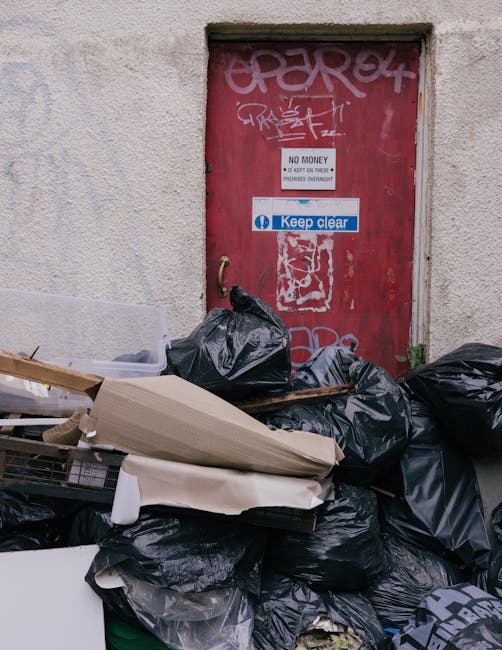
If you live in a flat on West End Lane, you already know the drill: narrow stairwells, shared entrances, busy pavements, and that one awkward item that somehow never fits through the door. A proper Rubbish clearance guide for West End Lane NW6 flats can save time, avoid neighbour complaints, and stop a simple clear-out becoming a whole weekend saga. Whether you are shifting old furniture, clearing post-move leftovers, or dealing with a small renovation mess, the trick is choosing the right method for a flat-based property and the realities of NW6 living.
This guide walks through how rubbish clearance works in flats, what to watch out for, and how to make a tidy, compliant, low-stress plan. You will also find practical checklists, comparison advice, and links to useful pages about available clearance services, pricing and quotes, and waste carrier compliance. Nice and simple. That is the aim, anyway.
Why Rubbish clearance guide for West End Lane NW6 flats Matters
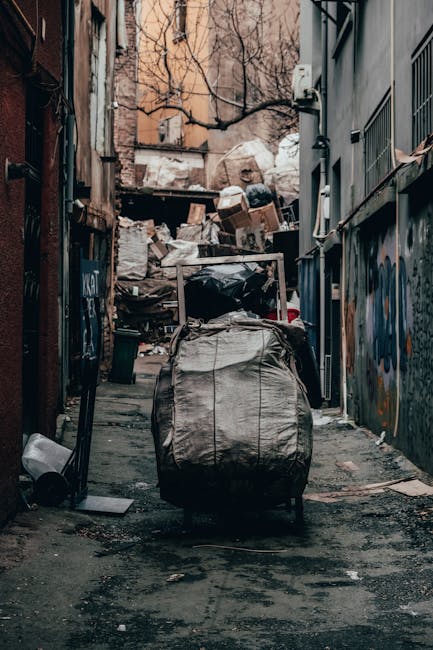
Flat clearance in West End Lane is not quite the same as clearing a house with a driveway and a side gate. In a block of flats, every item has to travel through shared spaces, and that means timing, access, and noise all matter. If you leave waste in a communal hallway, even for a short while, it can quickly become a nuisance. Truth be told, it only takes one unhappy neighbour or one blocked fire route to turn a tidy plan into a headache.
West End Lane sits in a busy part of NW6, where residents often juggle work, commuting, and tight building layouts. People move in and out frequently, refurbishments happen room by room, and storage space is usually limited. That creates a very common pattern: rubbish builds up slowly, then all at once. A structured approach helps you deal with it before it starts to smell, block access, or get in the way of cleaning and decorating.
It also matters because the wrong disposal method can cost more in the long run. An overflowing car boot, multiple council trips, or a skipped collection that sits outside too long can become messy fast. A better plan is usually simpler than it looks, and in many cases it is just about choosing the right service for the type of waste you have. For broader context on how local services are organised, the about us page and services overview are useful starting points.
How Rubbish clearance guide for West End Lane NW6 flats Works
At a practical level, rubbish clearance for flats usually follows the same basic sequence: identify what needs removing, separate it by type, confirm access, and arrange collection or disposal. The details change depending on whether you are clearing a sofa, a mattress, bagged household waste, bulky office leftovers, or a small batch of builders' rubble.
In a flat, access is the first hurdle. Can the item pass through the front door? Will it fit in the lift? Are there stairs, tight turns, or a concierge desk to navigate? These questions sound obvious, but they are the difference between a quick collection and two people sweating over a wardrobe for twenty minutes while someone holds the door open. If you have ever tried turning a sofa on its side in a narrow landing, you will know exactly what I mean.
Then comes the waste type. General domestic waste is different from furniture disposal, and both differ from appliance removal or builders' waste. Some items may be recyclable, some may need separate handling, and some can be awkward because they are heavy, large, or contain materials that should not be mixed with normal rubbish. A good service will ask the right questions up front and give you a clearer quote as a result.
For specific item categories, these service pages can be helpful: domestic waste collection, furniture removal, white goods and appliance disposal, and builders waste removal. If you are dealing with a fuller property reset, house clearance can also be relevant, even for larger flats with multiple rooms.
Key Benefits and Practical Advantages
Done properly, flat rubbish clearance is about more than removing clutter. The benefits tend to show up in everyday life, which is why people often feel the difference immediately after the mess is gone.
- More usable space: a cleared room feels larger, lighter, and easier to clean.
- Less stress: you are not stepping around old boxes, broken chairs, or bags you meant to deal with "next week".
- Safer access: hallways, stairs, and exits stay clear for residents and visitors.
- Better presentation: especially useful if you are selling, renting, or redecorating.
- Cleaner disposal decisions: it is easier to separate recyclable, reusable, and general waste when the job is planned.
There is also a timing advantage. A well-organised clearance can be done in one visit, which is useful when you are working around a move-out deadline or a contractor booking. If you live in a managed block, it can also reduce friction with neighbours and building management. To be fair, no one wants their rubbish clear-out turning into a building-wide discussion.
For people concerned about environmental handling, the recycling and sustainability page is a sensible read. Reuse and recycling are not just nice add-ons; they are often the most practical way to reduce the amount of waste going to landfill.
Who This Is For and When It Makes Sense
This guide is for anyone living in or managing a flat on West End Lane NW6 who needs to clear rubbish without turning the place upside down. That includes private tenants, landlords, homeowners, leaseholders, estate agents, and letting teams. It also makes sense if you are preparing for a sale, doing a deep clean, or simply removing the leftovers from years of "I will sort that later".
Some common situations are very familiar in NW6 flats:
- End-of-tenancy clear-outs with mixed bagged waste and unwanted furniture
- Pre-sale decluttering before photography or viewings
- Post-renovation debris from a bathroom or kitchen upgrade
- Replacing bulky furniture in a flat with limited storage
- Clearing a flat after a long occupancy or a family move
- Disposing of old appliances that have no easy lift access
If you are buying, selling, or letting nearby, some of the same practical issues show up in property decisions too. The posts on choosing Hampstead for your next home, home buyers and sellers, and property investment can help you think about how presentation and clearance affect value and first impressions.
Rubbish clearance also makes sense when the waste is simply too awkward for DIY disposal. A single mattress is manageable. Three wardrobe carcasses, a broken freezer, and six black bags? Less so. That is where planning pays off.
Step-by-Step Guidance
1. Walk through the flat and sort the waste
Start with a room-by-room check. Put items into basic groups: general rubbish, furniture, appliances, recyclables, and anything sharp, heavy, or potentially hazardous. If you are unsure whether something counts as hazardous, treat it cautiously and ask before collection. A lamp with a plug is one thing; old chemicals, paint, or damaged batteries are another.
2. Separate what can be reused or recycled
Not every item needs to go straight to disposal. Small pieces of furniture, decent condition storage boxes, and some appliances may be reusable. Keeping those separate can cut the volume of waste and reduce unnecessary costs. It also makes the job feel less brutal. Less waste in the van, more sense on the day.
3. Check access carefully
Measure bigger items if needed. Note stair width, lift size, parking restrictions, and whether there is a loading point near the entrance. If you live on a busy stretch of West End Lane, think about the time of day too. Morning school runs, peak traffic, or a packed pavement can make loading awkward.
4. Ask for a clear quote
Good quotes should reflect the amount and type of waste, how easy it is to access, and any specialist handling needed. A transparent quote is better than a vague low estimate that rises later. If you want to compare options, see pricing and quotes for a useful overview of what tends to affect cost.
5. Prepare the flat before collection
Move loose bags to one accessible place if safe to do so. Keep corridors clear. Make sure pets are secured and that any shared entrance arrangements are sorted in advance. It sounds basic, but little things save time. And yes, time is money here.
6. Confirm what happens after collection
Ask how the waste will be handled. Reuse, recycling, and compliant disposal should be part of the conversation, not an afterthought. If you want to understand the standards behind responsible handling, the waste carrier licence and compliance page explains the importance of using a legitimate operator.
Expert Tips for Better Results
One of the biggest mistakes people make is clearing by mood rather than by plan. You know the feeling: one moment you are positive, then you find a random cable drawer and start re-living the last seven years. Better to stay practical.
Here are a few tips that make a real difference in flat clearances:
- Book around access, not just your free time. If the lift is busy or the road is congested, the job takes longer.
- Photograph bulky items before collection. This helps avoid surprises and makes quoting easier.
- Bundle like with like. Keep cardboard with cardboard, metals with metals, and furniture separate where possible.
- Protect communal areas. A blanket, cardboard sheet, or careful carry route can prevent scuffs and complaints.
- Plan for the worst item first. If the sofa is the biggest challenge, sort that before smaller bags.
Another good habit: keep a "maybe" pile and a "definitely go" pile. Too many people mix sentimental items, good-condition donation pieces, and rubbish in one heap. That slows everything down. If you live in a managed building, speak to the property manager early. A five-minute conversation can prevent a lot of awkwardness later on.
And if you are dealing with a mix of waste types, the right service matters. Builders' debris is not the same as old wardrobes, and a fridge is not the same as a pile of bags. Matching the job to the service is just common sense, really.
Common Mistakes to Avoid
West End Lane flats often look straightforward until the actual lifting starts. That is where problems appear. Here are the ones people hit most often.
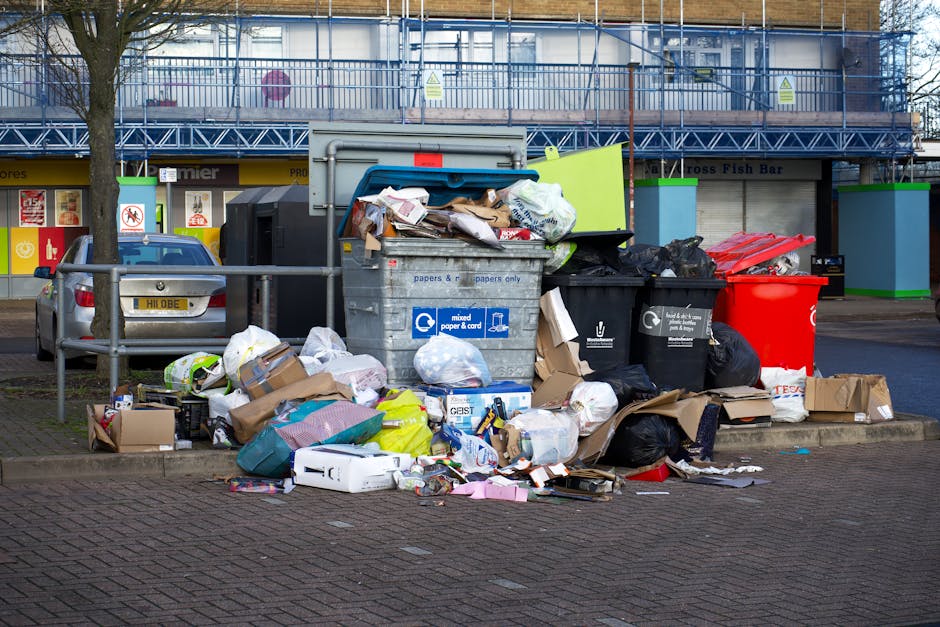
- Leaving rubbish in communal areas: even briefly, this can create fire-safety and access issues.
- Underestimating item size: a piece that looks manageable in the room may not fit through the corridor.
- Ignoring parking and loading restrictions: the van might not be able to stop where you expect.
- Mixing waste types without asking: this can complicate disposal and pricing.
- Choosing on price alone: the cheapest option is not always the safest or most reliable.
- Forgetting about shared-building etiquette: noisy early-morning movement can annoy neighbours fast.
One subtle mistake is failing to check what is actually included in the service. Some collections cover lifting from the flat; others may require items to be ready at kerbside or in a loading area. That detail matters more than most people think. It really does.
Tools, Resources and Recommendations
You do not need much equipment for a successful flat clearance, but a few practical tools help.
- Heavy-duty bin bags for loose waste and soft items
- Labels or tape to mark keep, donate, recycle, and remove piles
- Gloves for sharp or dusty items
- Measuring tape for awkward furniture and door gaps
- Phone camera to record bulky items and access points
- Sturdy boxes for mixed light waste
For service planning, three pages are especially useful: domestic waste collection for everyday rubbish, furniture removal for bulky items, and appliance disposal for fridges, washing machines, and similar items. If you are clearing more than one room, house clearance services may also be the better fit, even in a flat setting.
If you want a clearer picture of the company's standards and approach, have a look at insurance and safety and payment and security. They help set expectations before anyone arrives at the door.
Law, Compliance, Standards, or Best Practice
Rubbish clearance in London is not just about moving items from A to B. There is a responsibility to dispose of waste properly and to use a legitimate waste carrier. For residents, that means checking who is handling your rubbish and making sure the service is appropriate for the waste type. For businesses and landlords, the duty of care becomes even more important.
In plain English, best practice means this: do not hand waste to someone unless you are comfortable that they are operating properly, that the waste will be handled safely, and that the route to disposal is sensible and lawful. If waste is fly-tipped after collection, the person who produced it may still face questions. That is why credentials matter.
Other good standards include:
- Keeping communal spaces clear and safe during removal
- Handling bulky items without causing property damage
- Separating recyclable materials where practical
- Being honest about what cannot be collected
- Providing clear information before collection day
For a more detailed trust-focused overview, the pages on compliance, modern slavery statement, and terms and conditions are useful. They may not be the most glamorous pages on a site, but they matter. A lot.
Options, Methods, and Comparison Table
There are several ways to clear rubbish from a flat. The right one depends on volume, item type, access, and how hands-on you want to be.
| Method | Best for | Pros | Watch-outs |
|---|---|---|---|
| DIY trips to disposal point | Very small loads | Can seem cheaper upfront | Time-consuming, multiple trips, lift and parking hassle |
| Council collection or local bin use | Routine household waste | Simple for everyday rubbish | Limited for bulky or mixed items, timing may be restrictive |
| Man-and-van style clearance | Bulky items, mixed flat waste | Flexible, fast, often collects from inside the flat | Quality varies, so compliance and insurance matter |
| Full house or flat clearance | Large move-outs, probate, major declutter | Efficient for bigger jobs, less stress | Needs more preparation and clearer access planning |
For most West End Lane flats, the middle two options are the sweet spot: either everyday waste handling or a proper collection for bulky items. If the job is bigger than it first appears, do not be shy about upgrading your plan. It usually saves time in the end.
Case Study or Real-World Example
Imagine a two-bedroom flat just off West End Lane. The resident is moving out at the end of the month and has a mix of old shelves, a broken desk chair, a mattress, several bin bags, and a fridge that no longer works. At first glance, it looks like a single van load. Then the reality kicks in: the mattress is awkward through the hallway, the fridge is heavy, and the building's lift is small.
The resident sorts the waste into four groups: reusable items, furniture, appliances, and general rubbish. A quick measure confirms the fridge will fit through the front door if it is tilted properly. The collection is booked for a quieter time of day, and the building manager is told in advance so the loading route is clear. No drama, no hallway clutter, no angry message from next door.
What made the difference? Planning. Not perfection, just planning. The job still took effort, but it stayed controlled. The resident avoided multiple trips, kept the communal areas tidy, and had a proper empty flat to hand back. That is the kind of result most people want, even if they do not say it out loud.
Practical Checklist
Use this before collection day. It keeps things calm.
- Identify all items to remove
- Separate general waste, furniture, appliances, and recyclables
- Measure bulky items and doorways if needed
- Check lift access, stairs, and parking/loading options
- Confirm the collection time and any building access details
- Clear communal routes and protect surfaces where possible
- Keep pets and children away from the moving area
- Set aside anything you want to keep, donate, or sell
- Ask how recyclable items will be handled
- Review quote details before you commit
Quick takeaway: the cleaner the sort, the smoother the clearance. A flat with tight access rewards preparation every single time.
Conclusion
Rubbish clearance in West End Lane NW6 flats does not need to be complicated. Once you understand the access issues, waste types, and practical steps, the whole process becomes much easier to manage. A bit of planning up front saves noise, mess, and avoidable stress later on. It also helps you make better choices about recycling, bulky item removal, and compliant disposal.
If you are comparing options, start with the type of waste you have, then think about building access and timing. Those three things will usually point you toward the right service. And if you are unsure, ask. A decent provider should be able to explain things clearly without making you decode jargon or guess what comes next.
Get a free quote today and see how much you can save.
For more background on the local area and how residents experience life nearby, you may also enjoy this local Hampstead guide. Sometimes a small bit of local context makes the whole job feel more grounded, which is no bad thing.