Rubbish removal advice for Iverson Road West Hampstead
Posted on 14/06/2026
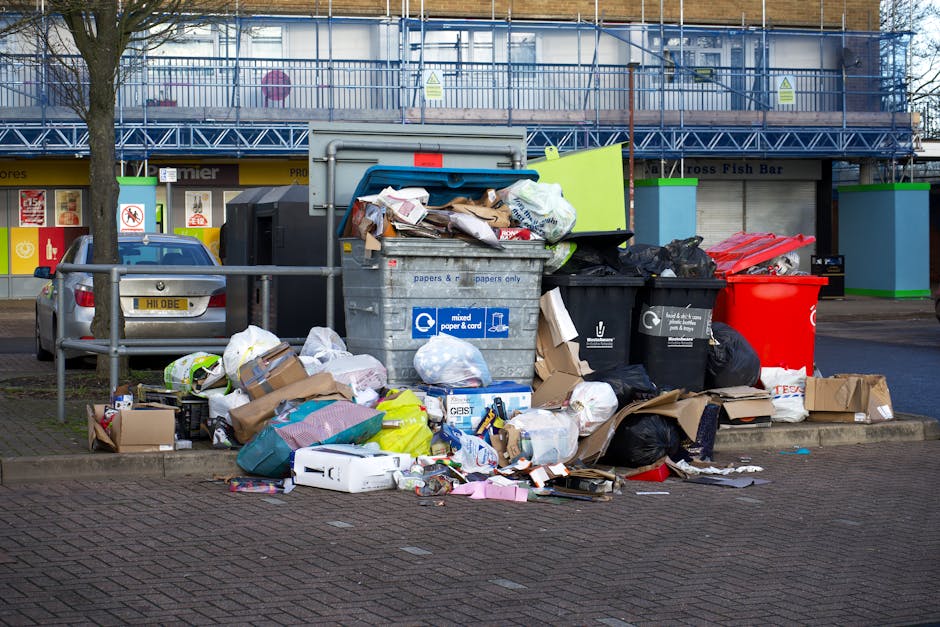
If you live on Iverson Road in West Hampstead, rubbish removal can feel oddly simple right up until the moment it isn't. One week it's a broken wardrobe, the next it's builder's dust, old packaging, a mattress, and a kitchen full of bits you meant to deal with "this weekend". Then the bags start gathering near the hallway and, well, it stops being a minor job.
This guide gives practical rubbish removal advice for Iverson Road West Hampstead that is useful whether you are clearing a flat, managing a renovation, or just trying to get your space back without making a mess of the week. It covers how rubbish removal works, what to watch out for, how to choose the right service, and how to stay sensible on cost, compliance, and recycling. Nothing flashy. Just the kind of advice that saves time and avoids a headache.
For readers who want to understand the wider service picture as well, it can help to look at the services overview alongside the practical points below.
Why Rubbish removal advice for Iverson Road West Hampstead Matters
Iverson Road sits in a part of London where homes are often busy, storage is limited, and access can be a little awkward at the best of times. A few extra bin bags may not sound like much, but in a flat or shared building they can quickly become a nuisance. They take up space, attract odours, and sometimes create friction with neighbours or managing agents. Not ideal.
Good rubbish removal advice matters because the wrong approach can cost more than money. It can mean multiple trips, blocked hallways, avoidable lifting injuries, missed recycling opportunities, or waste being handed to someone who is not properly licensed. That last point is a real risk. If a collector dumps your waste illegally, the responsibility may not disappear just because you paid them in cash and waved goodbye. To be fair, that's the bit many people only learn after the fact.
Local awareness helps too. In residential streets around West Hampstead, timing, parking, and access matter. A large item left out at the wrong time can become an eyesore. A pile of rubble can block a shared entrance. A quick, planned removal is usually cleaner, calmer, and more neighbour-friendly.
Expert takeaway: The best rubbish removal on a street like Iverson Road is rarely the cheapest-looking option at first glance. It is the one that is properly planned, appropriately licensed, and matched to the actual type and volume of waste.
How rubbish removal works
Rubbish removal is not just "take stuff away". A proper service usually follows a simple process: identify the waste, estimate the volume, decide whether it needs special handling, collect it safely, and sort it for reuse, recycling, or disposal. Straightforward in theory. In practice, the details matter.
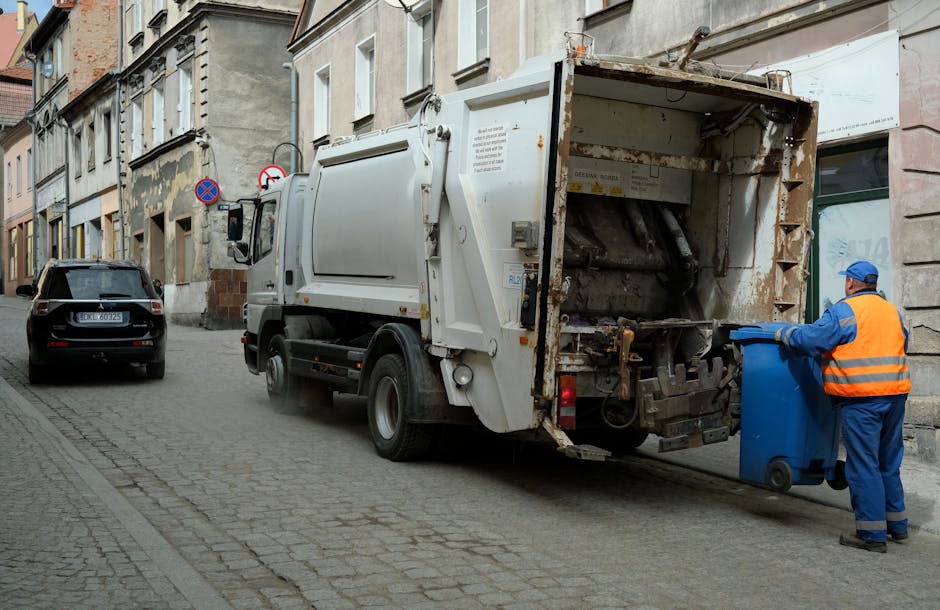
For a local domestic job, the process often begins with a short description or quote request. You explain what needs removing, where it is located, and whether there are stairs, limited access, or bulky items. If the clearance includes heavy items such as wardrobes or appliances, the crew may need extra time or the right equipment. That is especially true in older properties or upper-floor flats where moving things down narrow stairwells is no joke.
Depending on the job, rubbish removal may include:
- household clutter and general mixed waste
- furniture removal
- appliance disposal
- builder's waste after renovation
- garden cuttings and green waste
- full or partial house clearance
Some jobs are planned for convenience, others for urgency. For example, if a tenant is moving out, the waste might need clearing before inventory checks. If a small flat is being refurbished, the builder's rubble needs shifting before the next tradesperson can even start. Different job, different tempo.
If your waste falls into a specific category, it is usually better to match the job to the right service rather than bundle everything into a vague "rubbish" description. That is where targeted pages such as domestic waste collection, furniture removal, and white goods and appliance disposal become genuinely useful.
Key Benefits and Practical Advantages
When rubbish removal is done properly, the benefits are immediate. You get space back, the home feels calmer, and the job stops hanging over you. It sounds simple, but anyone who has lived around stacked bags, old shelves, and half-dismantled furniture knows the relief is real.
Here are the main practical advantages:
- Faster clear spaces: one well-planned collection can remove a week's worth of clutter in one go.
- Less lifting and strain: no dragging a sofa halfway down a stairwell on your own. Your back will thank you later.
- Cleaner disposal: recyclable items can be separated properly rather than thrown into a mixed pile.
- Reduced neighbour impact: no long-lasting bags in communal areas or repeated traffic through the hallway.
- More control over timing: especially useful if you are working around a move, renovation, or sale.
- Better compliance: using a proper waste carrier helps reduce the risk of fly-tipping or poor disposal.
There is also a less obvious advantage: it reduces decision fatigue. A cluttered room can make everything feel more chaotic than it is. Once the rubbish is gone, the rest of the project suddenly looks manageable. Funny how that happens.
For people comparing options, it may also be useful to review the provider's approach to recycling and sustainability, especially if you want to minimise the amount sent for disposal.
Who This Is For and When It Makes Sense
Rubbish removal advice for Iverson Road West Hampstead is relevant to quite a few people. It is not just for landlords or builders. In a neighbourhood with a mix of flats, conversions, rentals, and owner-occupied homes, waste problems show up in everyday situations all the time.
This is especially useful if you are:
- moving into or out of a flat
- clearing a property after tenants leave
- disposing of old furniture or appliances
- tidying a storage room, loft, or spare bedroom
- renovating a kitchen or bathroom
- dealing with garden waste after a big cut-back
- helping a relative clear a home
- running a small business from home and clearing packaging or stock waste
It also makes sense when you want a more hands-off approach. If you have the time and a car, a DIY trip to a disposal site might be fine for a few items. But once waste becomes bulky, heavy, mixed, or urgent, the maths changes. The cost of your time, fuel, parking, and stress can quietly exceed the price of a proper collection.
People often ask whether they should wait and do it "all at once". Sometimes yes. Sometimes no. If waste is building up in a tiny hallway or shared bin area, waiting can make the problem worse. Better to clear it sooner and move on.
Step-by-Step Guidance
If you want the process to run smoothly, it helps to break it down. A good rubbish removal job is mostly preparation and clarity. The actual collection is often the easy bit.
1. Sort the waste into broad groups
Start by separating items into categories: general waste, furniture, electrical items, green waste, and building materials. You do not need to over-sort everything, but you do need enough clarity to describe the job properly. A "bit of everything" description is how jobs get misquoted.
2. Identify anything special
Some items need care. Fridges, freezers, TVs, paints, solvents, plasterboard, and heavy rubble are examples. If you are unsure whether something needs special handling, ask before collection. It is much easier to plan before the van turns up than after.
3. Measure access points and note obstacles
In flats around West Hampstead, access is often the hidden issue. Check stair widths, lift access, basement steps, parking restrictions, and whether items need carrying through communal areas. It saves everyone time and prevents awkward surprises.
4. Decide what needs to go now and what can wait
A useful trick is to split waste into "urgent", "next week", and "not really rubbish". That last category is the one everyone has. A lamp with a loose fitting, a chair you might fix, a box of cables you might need. Be honest with yourself. If it has been untouched for a year, it probably isn't moving back into active service.
5. Get a clear quote
Good quotes should be based on the type and volume of waste, access, and any special handling needed. If the price sounds suspiciously low, ask what is included. Loading time, labour, disposal, and recycling all matter. A cheap price that grows later is not much of a bargain.
6. Prepare the site
On the day, move smaller items together where practical, keep pathways clear, and make sure fragile items are separated. If you live in a shared building, let neighbours know if there will be brief disruption. A little courtesy goes a long way.
7. Check what has been removed
Before the team leaves, walk through the cleared area and confirm nothing important has gone with the rubbish. It sounds obvious, but people do occasionally lose paperwork, chargers, or spare parts. The classic "where did that box go?" moment. Happens more than you'd think.
Expert Tips for Better Results
After enough clearances, a few habits stand out as consistently helpful.
- Take photos before you book. Even rough pictures help with pricing and reduce back-and-forth.
- Keep mixed waste separate where possible. A cleaner separation often improves recycling outcomes.
- Plan around building access. If parking is tight, a slightly later or earlier slot may be better.
- Use proper packaging for sharp items. Broken wood, glass, and metal edges can cause unnecessary injuries.
- Prioritise hazardous-looking materials. If something seems unsafe, do not bury it under normal bags.
- Ask about reuse before disposal. Some furniture or household items may be suitable for reuse if they are in good condition.
One quiet but important tip: keep a running list of items for a day or two before collection. People often find far more rubbish once they start looking properly. It becomes a small snowball effect, and suddenly the list is longer than expected. Not a disaster. Just normal.
If you want a service that treats the job with care, it is worth reading more about the company's insurance and safety approach, especially for heavier clearances or tight access.
![A patch of ground adjacent to a grassy slope and a metal fence features scattered rubbish, including flattened cardboard boxes, broken cardboard packaging, and torn paper debris, some of which display a green and white star logo. The materials vary in texture, with some cardboard appearing crumpled and others partially flattened, while the paper is loose and torn. Small fragments of packaging and paper are intermingled among the larger debris. The scene appears to be outdoors, with natural daylight illuminating the area, emphasizing the disorganized state of the waste. The presence of cardboard and paper suggests the remnants of packaging material, possibly related to consumer products, left discarded amidst the natural environment. The image, associated with rubbish removal services like those provided by [COMPANY_NAME], visually underscores the importance of proper waste disposal and the potential need for alternative waste handling or on-site clearance to maintain environmental cleanliness.](/pub/blogphoto/rubbish-removal-advice-for-iverson-road-west-hampstead2.jpg)
Common Mistakes to Avoid
Most rubbish removal problems come from a handful of avoidable mistakes. The good news is that they are easy to sidestep once you know what to look for.
Being vague about the waste
If you say "just some rubbish" but actually have builders' waste, a fridge, and three wardrobes, the collection may not be quoted correctly. Clear descriptions save time.
Leaving everything until the last minute
Urgent jobs can be handled, but they are usually more stressful. In a busy street, last-minute lifting and parking complications can turn a simple task into a rushed one.
Ignoring licensing and legitimacy
This is a big one. If a collector is not properly licensed, your waste may end up dumped somewhere it should not be. That can come back to you if the waste is traced. Use a reputable provider and ask sensible questions. No drama, just due diligence.
Forgetting access details
Stairs, lifts, narrow entrances, and parking limits all affect the job. A van can only do so much if it cannot reasonably get near the property.
Assuming all waste is treated the same
Wood, metal, electrical items, soil, rubble, and mixed household clutter do not belong in the same simple bucket in practice. A good provider will know how to handle the differences.
Not checking the final area
It sounds obvious, but in the rush to finish, people sometimes forget to inspect the cleared space. A quick final check prevents the "oh, we missed that" moment after the van is gone.
Tools, Resources and Recommendations
You do not need special machinery to organise a sensible clearance, but a few basic tools and habits make life easier.
- Strong bags or boxes: useful for smaller loose items and safer handling.
- Basic tape measure: helpful for measuring bulky items or access points.
- Marker pen: label what stays, what goes, and what needs checking.
- Gloves: useful if you are handling dusty, sharp, or awkward waste.
- Phone photos: the easiest way to show a provider what needs clearing.
On the recommendation side, the smartest move is usually to match the service to the waste type. For example:
- Use builders waste removal for rubble, timber offcuts, tiles, and similar renovation debris.
- Use garden waste removal for cuttings, branches, soil, and outdoor green waste.
- Use house clearance for larger domestic clear-outs where multiple rooms are involved.
If your project overlaps with buying, selling, or preparing a home for market, the broader local context can matter too. Reading this guide for Hampstead home buyers and sellers may give you a few ideas about timing and presentation, while choosing Hampstead for your next home is useful if you are thinking about the local move rather than just the clearance.
Law, Compliance, Standards, or Best Practice
Waste removal in the UK should be handled with care and common sense. You do not need to become a compliance expert to book a collection, but you should understand the basics.
First, use a waste carrier that is properly licensed and willing to explain how the waste will be handled. That is one of the simplest ways to protect yourself. A reputable provider should be transparent about collection, sorting, disposal, and recycling. If that information is hard to get, take the hint.
Second, some materials require special handling. Electrical items, refrigerators, certain construction waste, and anything potentially hazardous should not be treated as ordinary household rubbish. Best practice is to disclose these items early so the collection can be planned correctly.
Third, if you are clearing a property with other occupants, managing agents, or neighbours nearby, keep access safe and unobstructed. Shared hallways and staircases should not become temporary dumping zones. That part is simple courtesy, but it also reduces risk.
For reassurance, it is worth reviewing a provider's waste carrier licence and compliance information before booking. If you are comparing options, it can also help to check terms and conditions, privacy policy, and payment and security details so you know exactly how the service is run.
In plain English: be clear about the waste, choose a legitimate carrier, and do not cut corners on unknown materials. That is usually enough to keep things on the right side of sensible practice.
Options, Methods, or Comparison Table
There are a few ways to deal with rubbish on Iverson Road, and the best choice depends on volume, urgency, and access. Here is a simple comparison.
| Method | Best for | Advantages | Trade-offs |
|---|---|---|---|
| DIY bagging and local disposal | Very small amounts of waste | Low immediate cost, simple for a few items | Time-consuming, physical effort, parking and transport hassle |
| Kerbside collection style sorting | Routine small household waste | Convenient for ongoing day-to-day disposal | Not suitable for bulky items or large clearances |
| Specialist rubbish removal service | Bulky, mixed, urgent, or heavy waste | Fast, organised, less lifting, better handling of mixed materials | Costs more than doing nothing yourself, but usually saves time and stress |
| Full house clearance | Major downsizing, bereavement, moves, or empty properties | Comprehensive, efficient, emotionally lighter for the client | Needs careful planning and clear item instructions |
For many local households, a specialist removal is the sweet spot. It avoids the chaos of multiple trips and reduces the risk of the job dragging on for days. If the waste is mostly one type, a more specific service can be even better. Mixed jobs? That is where a broader collection works well.
Case Study or Real-World Example
Here is a realistic scenario. A couple living in a first-floor flat off Iverson Road were preparing for a kitchen refresh. They had an old dining table, two chairs, broken shelving, packaging from appliances, and a small pile of builders' debris from the rip-out. At first, they thought they could manage it with a few car trips. Then they looked at the stairs, the narrow entrance, and the fact that both of them were working full-time.
They ended up separating the waste into three groups: furniture, mixed household items, and construction debris. Photos were sent ahead of time. Access details were noted. The collection was arranged in one visit, and the cleared space was ready for the next tradesperson the same day. That made the whole project feel a lot less chaotic.
The real value was not just removal. It was timing. The flat moved from cluttered and frustrating to workable and clean in one controlled step. And yes, they probably saved themselves a few strained backs too.
In local terms, this is common. A West Hampstead property can go from "fine, we'll handle it ourselves" to "actually, we need proper help" very quickly once stairs, schedule, and bulk are all added together.
Practical Checklist
Use this quick checklist before you book or arrange rubbish removal on Iverson Road:
- List all items that need removing
- Separate furniture, electricals, green waste, and builders' waste if possible
- Take photos of the waste piles
- Measure bulky items and note stair or lift access
- Check whether anything needs special handling
- Confirm the timing that works best for the property
- Ask about licensing, safety, and recycling approach
- Review the quote so you know what is included
- Clear hallways, entrances, and paths where practical
- Do a final walkthrough before the team leaves
Quick summary: if you prepare well, rubbish removal becomes a tidy, predictable job rather than a messy interruption. That is the whole game really.
Conclusion
Rubbish removal advice for Iverson Road West Hampstead comes down to a few simple principles: know what needs to go, match the service to the waste, prepare for access, and choose a provider that works cleanly and compliantly. Once you do that, the job stops feeling like a looming nuisance and starts feeling like a practical reset.
That matters in a place like West Hampstead, where homes are busy, space is precious, and a small pile of waste can seem oddly intrusive. The smartest approach is usually the calm one: sort it, schedule it, and clear it properly. Not glamorous, perhaps, but deeply satisfying when the room is finally clear and the air feels lighter.
Get a free quote today and see how much you can save.
If you want to know more about the people behind the service, the company's about us page is a useful place to start. And if sustainability matters to you, the recycling and sustainability page gives a clearer picture of how waste is handled beyond the collection itself.